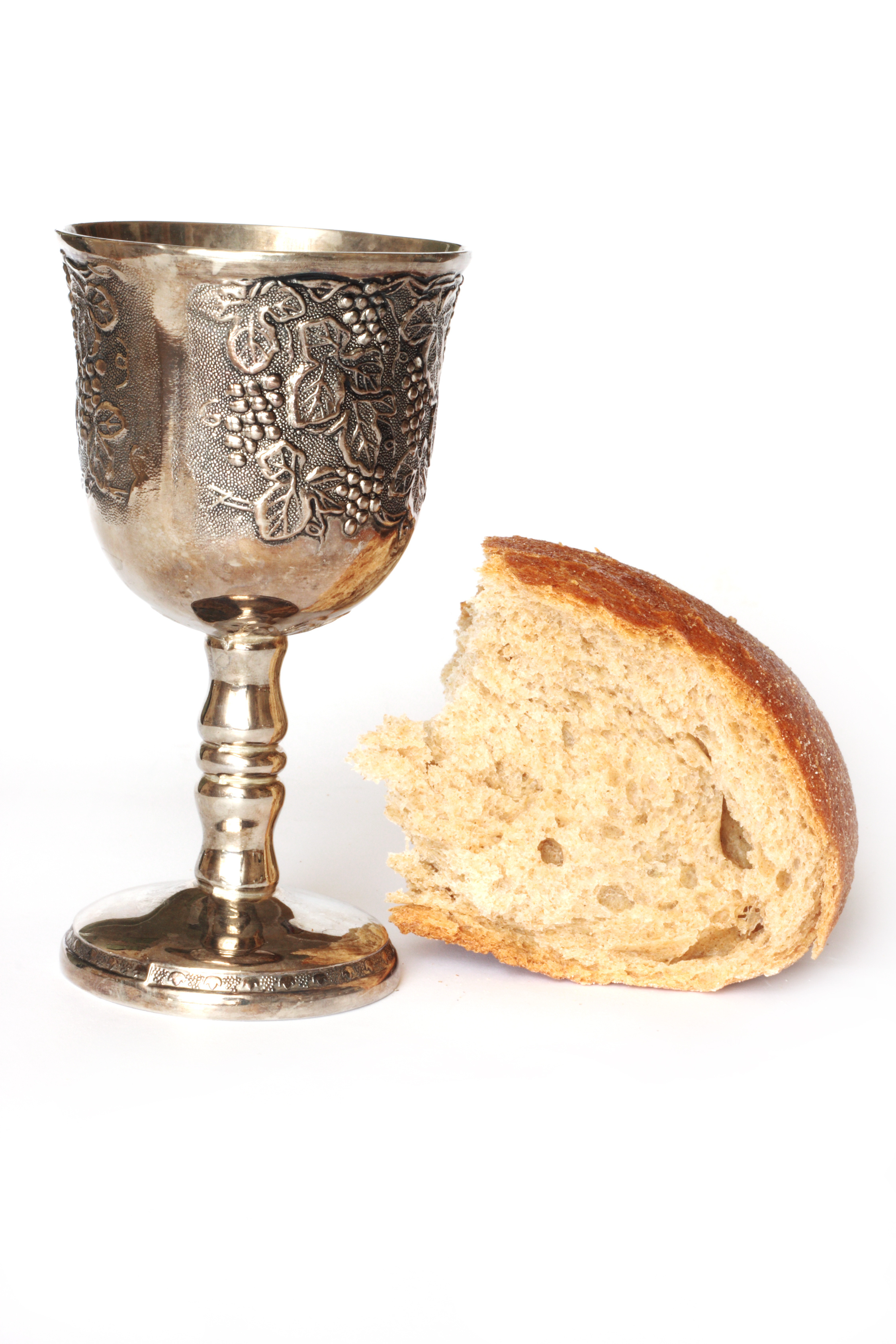
We fear germs, but we ought to fear God’s displeasure over the plague in our heart.
Common Concerns
03/01/25: A Portugese translation of this article by Joelson Galvão is available at the bottom of the article.
A common objection to administering a common cup in communion is that it does not seem sanitary. That objection is one I have been happy to help the saints come to grips with in a day and age of hyper-sensitivity to germs. Thankfully, most brethren I have spoken to have come to embrace the common cup, and have found a spiritual blessing in communing according to the pattern the Lord Jesus instituted in the Scripture, finding it to be a tremendous picture of sharing Christ together as brethren. If you are interested in the doctrine of the common cup, I would refer you to a sermon I preached on the Lord’s administration of the Supper via a common table, loaf, and cup.
But suffice it to say, the Lord who knows more about germs than we do, and is sovereign over the cup, instituted his sacrament with a shared cup. In 1998, the Center for Disease Control (CDC) studied disease transmission from a common cup and did not find that those who communed, even daily, with a common cup, experienced transmission of disease above those who did not (American Journal of Infection Control Volume 26, Number 5). A summary of the CDC’s findings on the common cup:
However, a recent study of 681 persons found that people who receive Communion as often as daily are not at higher risk of infection compared with persons who do not receive communion or persons who do not attend Christian church services at all.
That said, those who commune with a common cup ought to trust the Lord will bless his cup of blessing to those who partake of it in a worthy manner. This post is not about the common cup per se. What comes next applies to those who commune with individual thimbles of wine as well.
Spiritual Sickness
The fear of the common cup exposes something of our sin nature: we are often more alarmed about a possible pestilence outside of us that our bodies may contract, rather than the pestilence which is in our heart. On that, our Lord Jesus said —
Matthew 15:11 – Not that which goeth into the mouth defileth a man; but that which cometh out of the mouth, this defileth a man.
This meditation is necessary before we partake of communion. For it is the uncleanness of our heart, not the possibility of germs in the communion cup that we ought to fear. For God says that those who commune in an unworthy manner will be judged and chastened by him.
1 Corinthians 11:27-32 27 Wherefore whosoever shall eat this bread, and drink this cup of the Lord, unworthily, shall be guilty of the body and blood of the Lord. 28 But let a man examine himself, and so let him eat of that bread, and drink of that cup. 29 For he that eateth and drinketh unworthily, eateth and drinketh damnation to himself, not discerning the Lord’s body. 30 For this cause many are weak and sickly among you, and many sleep. 31 For if we would judge ourselves, we should not be judged. 32 But when we are judged, we are chastened of the Lord, that we should not be condemned with the world.
Consider what Paul said is the result of communing in an unworthy manner: many are weak and sickly. Think of that for a moment. This is what we fear from germs. The apostle says that some have even fallen asleep, meaning some have died, due to God’s chastisement breaking out against them. There is a threatening of chastening from God that we often waltz into without reflection and without fear. Yet the fear of the Lord is the beginning of our wisdom.
COVID-19
A recent illustration of our misplaced fears can be found during COVID. Even in the Church, sad to say, many were far more alarmed about the plague of COVID than the plague, the sin, in their own hearts. But Solomon tells us that the plague out there ought to cause us to reflect and to repent of the plague in our heart:
1 Kings 8:37-38 37 If there be in the land famine, if there be pestilence, blasting, mildew, locust, or if there be caterpiller; if their enemy besiege them in the land of their cities; whatsoever plague, whatsoever sickness there be; 38 What prayer and supplication soever be made by any man, or by all thy people Israel, which shall know every man the plague of his own heart, and spread forth his hands toward this house
Our own sin ought to frighten us more than the fear of contracting germs. If germs frighten you more than the sickness within, do some heart work. We are thankful that we can pray to God through Christ, who can heal us of this plague of sin, freely, and graciously. That was Solomon’s wisdom and that can be ours as well.
Spiritual Sanitation
So, returning to the Lord’s Supper. What must we do to avoid the threatened spiritual sickness? We are to prepare ourselves spiritually before we commune. Thankfully 1 Corinthians 11:28 is an invitation after examination: let a man examine himself and so let him eat of that bread, and drink of that cup. There is an encouragement to come. But only after self-examination. Before we come to the gospel feast, like in the Passover, we must purge out leaven. But not from our homes, but rather, from out of our hearts.
1 Corinthians 5:7-8 7 Purge out therefore the old leaven, that ye may be a new lump, as ye are unleavened. For even Christ our passover is sacrificed for us: 8 Therefore let us keep the feast, not with old leaven, neither with the leaven of malice and wickedness; but with the unleavened bread of sincerity and truth.
Before communing, spend time with the Lord, meditate upon the leaven of sin in your heart, and ask the Holy Spirit to remove it. Repent of these sins discovered, with faith in Christ’s mediation to forgive and to cleanse completely.
Westminster Larger Catechism Q. 171 summarizes the preparatory duties a communicant has before coming to the Table. Consider these directions:
Q. 171. How are they that receive the sacrament of the Lord’s supper to prepare themselves before they come unto it?
A. They that receive the sacrament of the Lord’s supper are, before they come, to prepare themselves thereunto, by examining themselves of their being in Christ, of their sins and wants; of the truth and measure of their knowledge, faith, repentance; love to God and the brethren, charity to all men, forgiving those that have done them wrong; of their desires after Christ, and of their new obedience; and by renewing the exercise of these graces, by serious meditation, and fervent prayer.
Our preparation is never perfect, but we depend on the Lord’s intercessory work. After searching your heart, find confidence in Christ alone, and not even your own preparatory work. Then, receive the cup of blessing with faith, hope, and love. For truly this is a cup of blessing – a blessed and true spiritual communion of the body and blood of our Lord Jesus Christ.
1 Corinthians 10:16 – The cup of blessing which we bless, is it not the communion of the blood of Christ? The bread which we break, is it not the communion of the body of Christ?
May the Lord give us faith to believe such things. Amen.
In Other Languages
A Portugese translation of this article has been supplied by Joelson Galvão.

 Christ, Code, and Kids
Leave a comment